

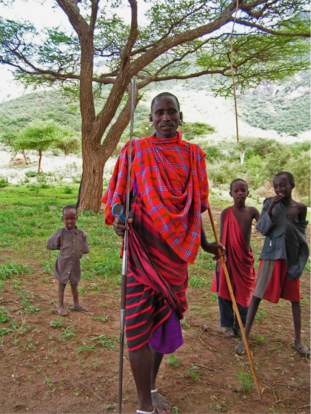
Several years ago, an international expert on child welfare introduced me to how another community esteems and cares for their young. It has remained with me to this day. She pointed out that the warriors of the Maasai tribe in Africa, a nation well known for their military arts and long history of conquest, use a simple traditional greeting. They ask the question “Casserian Engeri” meaning, “And how are the children?” The Maasai understand that if the children are well, the community they live in is well. More importantly, this greeting summarizes the place children have in their communal priorities.
The Maasai understand that if the children are well, the community they live in is well.
From time to time I have turned this lesson about community priorities over in my head and have asked the question, “Why haven’t we made this part of our daily focus in life?” How have we allowed other concerns and urgencies to overshadow our commitment to our young? Today we face the consequences of this disregard in our community. Hawaiian children and children in general in Hawai‘i and elsewhere are beset by discouraging statistics. Hawai‘i is ranked near the bottom third in education nationwide and over half of our children are not attending preschool. Results from the Hawai‘i State School Readiness Assessment show that only 14.5% of kindergarten classes have at least three fourths of the children consistently displaying the skills and characteristics necessary for success in school life.
Early childhood education and school readiness are essential, as research has shown that 85% of brain development occurs by age 5.
Compounding these dismal statistics, the number of children living in poverty in Hawai‘i has increased in the past five years. These living conditions and lack of resources can have a lasting detrimental effect on children, especially homeless children. Compared to non-homeless children, homeless children are: nine times more likely to repeat a grade, four times as likely to drop out of school, three times more likely to be placed in a special education program, twice as likely to score lower on standardized tests, and have higher rates of chronic/acute illnesses, learning disabilities, and emotional or behavioral problems. Recent articles have called our community’s homeless situation “a crisis that demands action” with the children at the very center. However, no rational policy has emerged from our leaders.
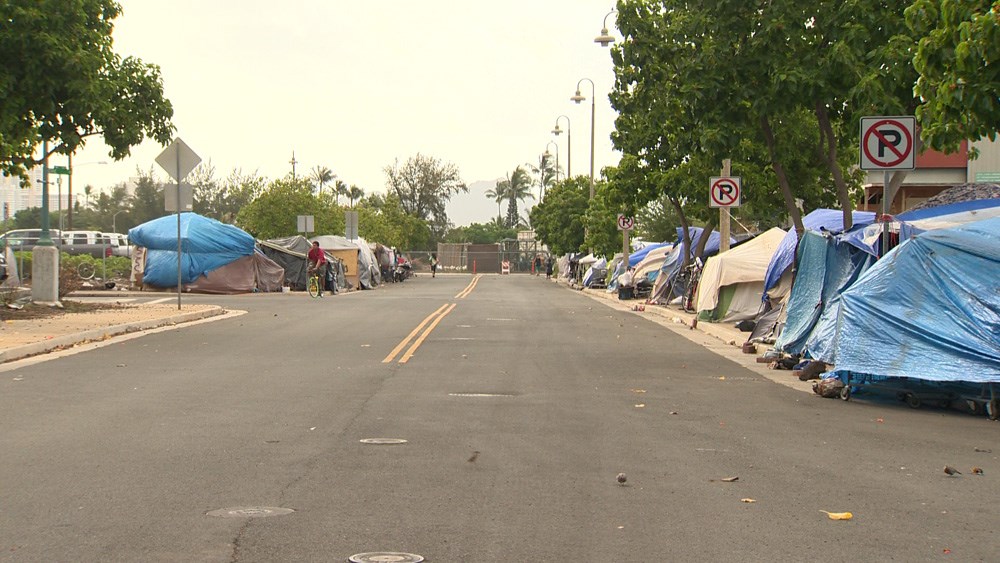
Not a pretty sight. Perhaps we should think about greeting each other with “Aloha! Pehea nā keiki?” as a means of resetting our priorities as a community. The Hawaiian culture, as is true in most cultures, recognizes the critical role the care and preparation of our children have in the survival of their community. How is that played out in our community? How do we tolerate an educational system that takes significant resources and delivers questionable outcomes in the lives of our young? Why do children from dysfunctional families often end up in a harsh public child welfare system? Where is our investment in programs to prepare children and families for success? Why do we not demand outcomes with our investment in children that will sustain healthy and resilient communities? Could it be because our unspoken greetings are “…and how are the teachers?” or “…and how are the administrators?” or “…and how is the union?” or “…and how are our politicians?” and we end up relegating children, particularly poor homeless children, way down the priority list of public and private investment?

As we come together, let us ask each other, “Pehea nā keiki?” and have the courage to mean it and act upon it. Pose the question to those who represent us… let’s see their response. Perhaps sometime soon we can respond, “Maika‘i nō nā keiki!” (They are well!)
View printable version: And How Are The Children


 At Low Tide