

It is interesting to watch the current local, state, and national political reality unfold. It is obvious that we’re in the midst of a “redefinition” of political life in our country. The days of consensus and compromise have been replaced by strident partisanship and an amazing narrowing of the definition of public interests. This has happened on both sides of the political spectrum and the “public” has not been blessed by the effects of this redefinition.
In a sense, all of this is in part the product of our personal isolation driven by the technological revolution which gave us all the benefits and problems of social media. We can, indeed, reach out to the most remote place on the globe instantly, but we struggle with understanding and communicating with our neighbors and coworkers. For the most part, our children spend more time in the electronic universe than in face to face engagement with capable mentors. Life’s issues around relationships get defined by “apps” rather than personal interaction. In the political realm, it makes it easier to vilify and marginalize those who disagree with you.


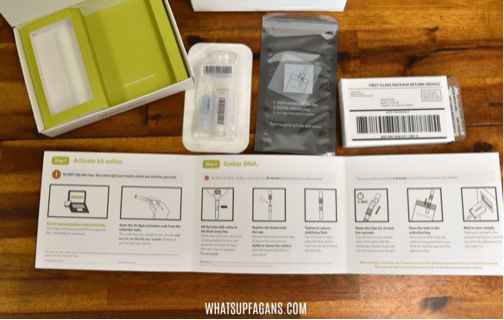
All of this tends to leave me frustrated and quick to join the blame game rituals we see on our television screen every evening. What has helped my frustrations a lot lately was my wife’s gift of a DNA analysis of my ancestry. Though it sat on my desk for a long time, I finally got up the courage to do the sample and send it in. The background to my anxiety rests in the fact that most of us in Hawai‘i are very mixed racially. We tend to pick and choose the strain we want to identify with and build our lives around it. The problem emerges, as it has with a few of my friends, when the DNA profile tells you that you’ve been rooting for the wrong tribe or you are a part of an ethnicity never revealed to you previously! On the other hand, the analysis can reaffirm your identity and connection to a culture or group. My wife had always thought she was part Jewish because her feet tapped involuntarily when Hava Nagila was played at Jewish weddings! Her analysis confirmed that, indeed, 15% of her is Jewish!!
I had always been told and believed that my maternal grandfather was Chinese, my maternal grandmother was Hawaiian, my paternal grandmother was an orphan but believed to have been Scottish, and my paternal grandfather of mixed “Pennsylvania Dutch” blood. There also swirled around me stories of my Hawaiian grandmother having Spanish blood, but nothing substantial to back it up. All of this has led me through my life to identify with my Hawaiian heritage. As I sent my sample in for DNA testing there was no lack of anxiety about what my true pedigree might be!
When the results came, it took me a couple of days before I finally opened them. My dominant ethnicity (27%) is Polynesian (I presume Hawaiian)!! The next is Celtic from Scotland, Ireland and Wales, followed by Indochinese, British, and a small dash of Scandinavian. I knew I was mongrelized, but when I found out I was the mongrel I always thought I was, I was relieved and happy.
What does this have to do with the first two paragraphs of this adventure? For me, it has a lot to do with our frustrations with how we communicate and how we develop public policy. From my little perch I have come to believe that a clear and honest view of self and where and who you have come from is a major building block for positive engagement with others. Hawaiians have a very strong sense of place and genealogy that when understood and applied, can have a strong influence on how we view ourselves and how we interact with others. This has given me hope that as we teach and mentor our young drawing from our own connection to our past, we have an opportunity to prepare the next generation on how to positively connect with the needs and thoughts of those around them.

Our traditions and culture teach us that true community does not rest on intellectual concepts or catchy political phrases but rather true connection comes from a shared commitment to each other’s welfare and resiliency. I say this because I can point to the lessons of my culture and the history of my extended family. These put the frustrations of the nightly news into perspective and should daily challenge me to be a connection to the lessons of the past for the new generation. My tie to the rich pool of family and cultural history helps me sort out what is important personally, corporately, and politically. Perhaps such a perspective will help you lower the level of angst we face in our world of instant “connection”!
To remind me of the lessons my elders have shared, I have put together a small collection of reflections that you might find helpful as you stir your personal history and ponder how they might provide clear direction in the midst of contemporary challenges.
 At Low Tide