


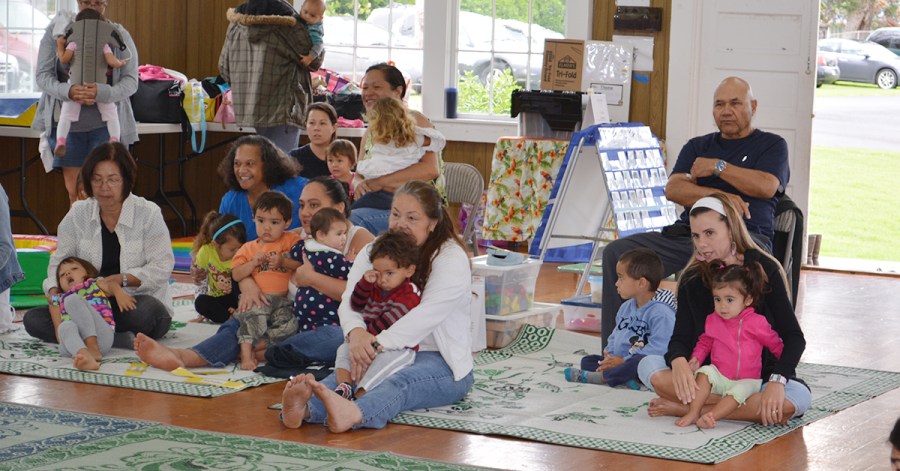
As a father, grandfather, and leader of a nonprofit organization, I am passionately committed to early education for our children. Unfortunately, over half of our children in Hawai‘i are not attending preschool and entering kindergarten without being able to count to five or differentiate colors. They quickly become those left behind and those that become a tremendous drag on our educational system and, later in life, our community in general. One proven avenue of dealing with this educational reality is a robust investment in early education of 0-5 year old children and their caregivers. The Federal Reserve System points to a minimum of seven dollars of avoided social costs for every dollar invested in early education. The Annie E. Casey Foundation has recently published an exhaustive study that says early education and preparing children to read at grade level by the end of third grade is crucial to success for the students, and makes a sobering statement:
92% of those not reading at grade level by the end of third grade will not graduate from high school.
Each of those represent a $2.4 million dollar cost to the community over his/her lifetime. In Hawai‘i, 70% of fourth graders are not proficient in reading (2015 KIDS COUNT Data Book). We are not alone; another community, Charlotte, North Carolina, has only forty percent of their third grade students reading at third grade level. The gap in reading proficiency between low-income and higher-income children has grown in the past decade, and Hawai‘i was found to have one of the largest increases in the nation with 83% of lower income students scoring below proficient reading level, compared to 57% of higher income students. This gap often starts early.
What does this have to do with the Choo Choo Train? Let me share with you what is happening in Honolulu. We have embarked on a very controversial $7-8 billion investment in rail transit (the final cost keeps inflating and the advantages keep getting increasingly unfocused). However, there is a total lack of comprehensive early education investment in the State.
Hawai‘i is one of 15 states with small or no state-funded preschool program.
The lower income and middle income families are the ones who suffer because of this, as they are not able to afford preschool. Studies have shown that the foundation for school and life success begins early and the impact of early investments is strongest for children facing adversity. Quality, affordable early childhood education not only benefits the child for the rest of his/her life, but has shown to return much more benefits to the community than its cost (reductions in remedial education and crime costs, increase in taxes paid; a cost-benefit analysis of the Perry Preschool study found those who attended preschool pay $38,000-$75,000 more in taxes over his or her lifespan than a child who did not attend).
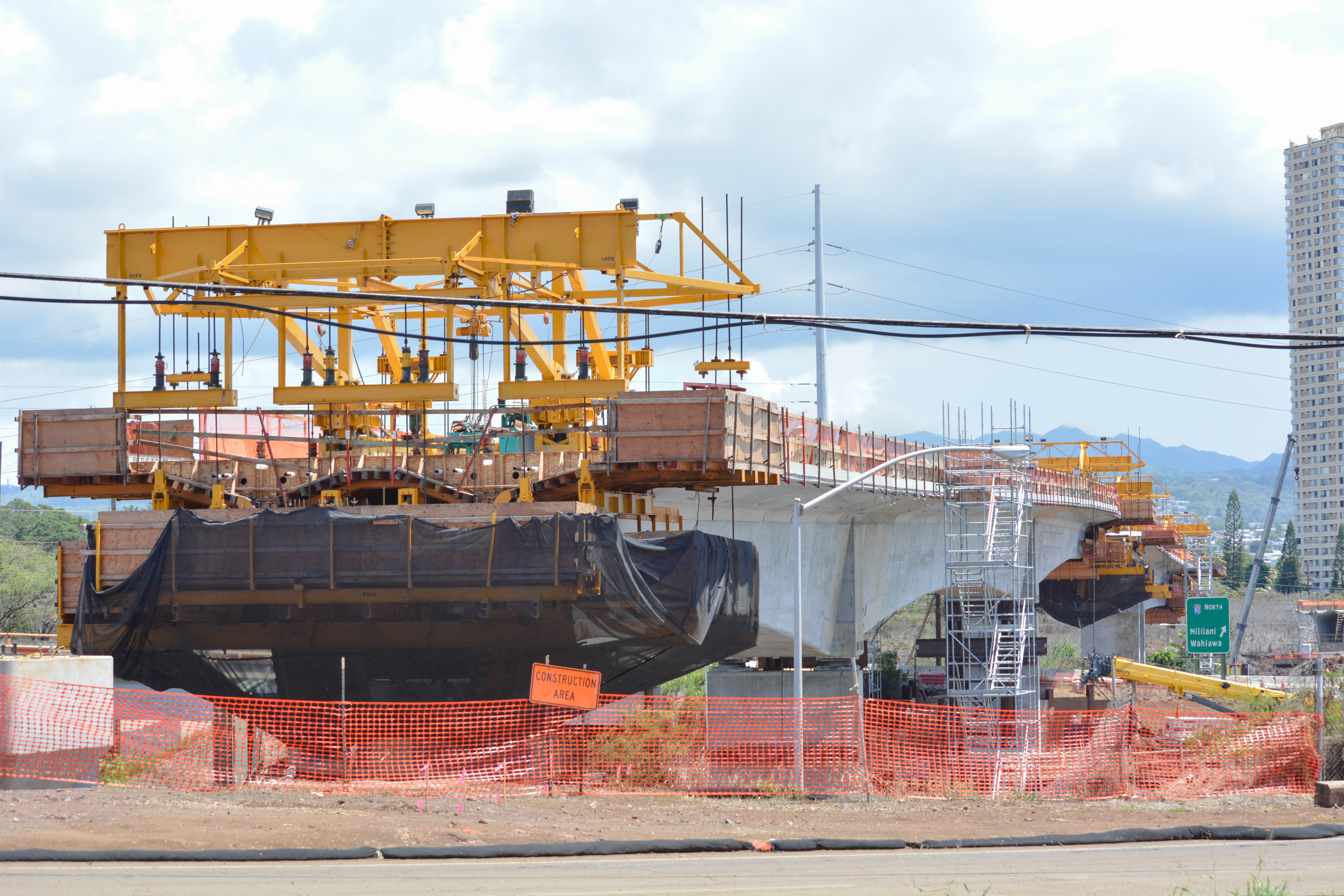
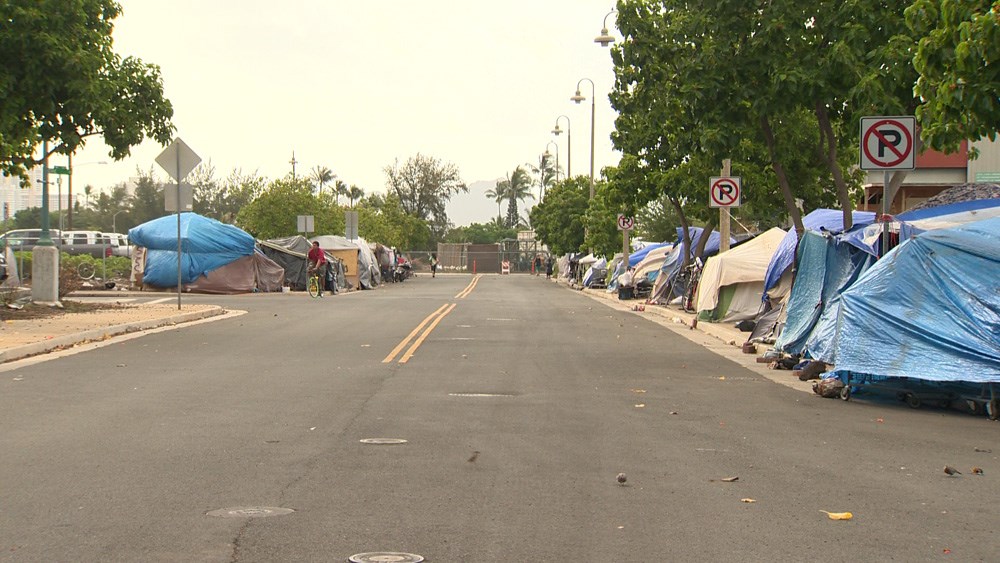
For a very small fraction of the Choo Choo Train’s cost you would have a social return on investment (ROI) of significant proportions! You do the numbers. If you were an investor, which investment would you select? As it stands, we will have a very expensive, dubiously efficient, and probably little used transportation system that will be trying to move an increasingly dysfunctional community. A community beset with issues rooted to a lack of investment early on in the lives of our children and their families. What do you think? I think, shame on us!





 At Low Tide