Welcome to the Age of the Dismissal of the Host Culture

During the past several years and particularly during the last several weeks as the legislative season moves towards its closing, it has become more and more apparent that public and private policy makers have increasingly ignored the Hawaiian culture and concerns when reaching their decisions impacting present and future components of our community.   The mandated historical preservation processes, traditional water resource management, and cultural protocol relating to land use have generally been ignored by many agencies and departments of the federal, state/counties, and a cultural sensitivity to the impact of decisions on historical and contemporary Hawaiian places and practices has been clearly absent. Two or three specific issues might illustrate this principle.

ALT2

According to credible sources, the U.S. Navy has indicated that they will turn over five hundred acres of their Kalaeloa lands to a commercial private sector developer for the building of private residences. No mention of community input, no mention of the historical or cultural importance of this land to the Hawaiian people, no recognition and provision for the critical water resources beneath this land, no consultation with the Department of Hawaiian Home Lands, and a seeming lack of interest in the opinions of Hawaiians and non-Hawaiian community members have characterized this egregious and insensitive decision. I know that “to the victor belong the spoils” is the catch phrase in the exercise of military and political power, but in the past it has been a bit more subtle. It seems the velvet glove has come off.

It is interesting that most tourists come to Hawai‘i in great part because of the presence and power of the Hawaiian culture.

Just recently we also learned of the dismissal of the Hawaiian Cultural Director of the Hawai‘i Tourism Authority, after ten years of being a voice for the host culture in the organization that represents and promotes the largest industry in the state after military spending. It is interesting that most tourists come to Hawai‘i in great part because of the presence and power of the Hawaiian culture. It seems that authentic Hawaiian culture, traditions, and values are being abandoned by industry promoters in favor of slick generic beach promotion and Disney plastic tikis and cartoon caricatures. Pohō.

Another point of irritation in this vein is the fact that the Hawaiian culture is the only major ethnic group lacking a cultural center to celebrate its rich history and presence in our community. The Filipinos, the Okinawans, the Japanese, the Chinese, the Koreans, and others have their stand-alone centers. In a curious proposal, the HTA is offering to put a Hawaiian Cultural Center on the roof of the Convention Center. I suspect this is done to pay for the repair of major issues they have had with the roof and in hopes of financially saving that debt-ridden facility. Shame on them. How about OHA stepping forward and putting a real testimony to the Hawaiian culture, music and dance on their Kaka‘ako property? In a pono world, Hawaiian culture should be a priority for Hawaiian cultural organizations.

ALT1
Photo Credit: dhhl.hawaii.gov

There are many more examples of this blatant disregard by our policy makers for issues of importance to the Hawaiian community, but I will close with another example of this widening disregard. The current legislature and state administration have been lukewarm, at best, in working to provide the Department of Hawaiian Home Lands (DHHL) with the resources needed to process applications for housing and land leases. This is despite the ruling of the Hawai‘i Supreme court that highlights this failure of the state to uphold its commitment to fund these administrative activities, a major part of the constitutional agreements included in Hawai‘i’s admission as a state in 1959 (see Nelson case). For eight decades, the continuing failure to fund the process of leasing by the department has, in part, led to the decades-long waitlist for DHHL leases. Today there are over twenty-thousand on the waitlist, and DHHL has struggled to get the resources to manage an efficient processing program. Many Hawaiians die while on the waitlist and thousands are kept from having a piece of their ‘aina. Let’s see what emerges. I tend to believe that this administration and legislature will again affirm its lack of serious interest in fulfilling the state’s obligations to the Hawaiian community, which would allow more Hawaiians home ownership.

How can we claim to be the land of aloha when aloha is absent from the heart of those who are shaping the present and future of our community??

I trust that the Hawaiian leadership and friends of the Hawaiian culture will begin to stand up in the face of this dismissal of the Hawaiian people by the political and economic power brokers in our community. This dismissal is mean spirited, exploitive, and lacks the amazing values and perspectives that our kūpuna call us to model. How can we claim to be the land of aloha when aloha is absent from the heart of those who are shaping the present and future of our community?? It is important that Hawaiians resist the “culture of shame” that drives a consistent dismissal of our culture and our place in our homeland. To put a positive face on a negative reality, perhaps it is time for our Hawaiian leaders to model clearly the power and healing nature of servant leadership. The contrast to the present behavior of our political leaders may lead to a true return to our cultural values in our public policy debate. Perhaps the time of ahonui (patience) is pau and kū pono (stand for righteousness) should be the lens we use to view those who govern us.

Getting Lost Begins By Not Knowing Where You’re From

Screen Shot 2015-12-01 at 9.39.45 AM

In the frantic pace of the lives we lead, I am often struck by the amazing number of people who seem disconnected from clear values and goals in their lives, consequently falling victim to the constant bombardment of ideas, values, and pseudo-goals that are a part of the electronic jungle in which we have to function. They seem lost. They seem at sea without a clear course or goal. They have been disconnected from (or perhaps never connected to) the cultural/value anchors that bring stability and focus into our lives. It is often most apparent with the younger generations, but is definitely seen frequently in people who are well into their lives and careers.

I have found that there isn’t a lot of attention given today to helping our young children and caregivers learn and apply their family values and histories to their lives. We seem too content to allow outside sources and perspectives fill this void and become the driving forces in our families. I believe we do this to the detriment of our families and our communities. We risk allowing ourselves and our children to become individuals who reflect other world views, other value systems that don’t reflect our heritage.

We risk allowing the next generation to get lost because they were never taught where they came from.

In traditional indigenous cultures, we find a more focused commitment to preparing the next generations by making sure they understand the history, traditions, and values from which they have blossomed. In addition to genealogy and family traditions, many indigenous cultures like the Hawaiian culture, pay close attention to the specific geographical places their families inhabit. They understand the power of an active and vibrant sense of place in the life of its people.

In Hawaiian culture, “wahi pana” is defined as celebrated, noted, and legendary places, or landmarks of special interest and historical significance. Each of these special places have distinguishing landmarks (mountain peaks, streams, wind, rain, etc.) that are given specific names and are connected to the rich history, chants, stories, and songs that are traditionally passed down from one generation to the next. Hawaiian music, for example, is replete with songs that praise places in our islands with the actual place only being revealed by the specific name of the wind or rain that is referred to in the melody. In public gatherings fifty or sixty years ago, it was common for the various songs of the islands or communities to be sung as an invitation for people from those places to stand and be identified with that wahi pana. It kept my grandparents and my uncles aware of the traditions they represented as they faced the challenges of day to day living. Although we still possess many of these names and songs today, we may not know the physical characteristics that led our ancestors to call a wind or rain differently from others. Our understanding of our sense of place is eroding.

Screen Shot 2015-12-01 at 9.38.48 AM

I believe a sense of place is an important tradition that has powerful applications in the lives of our children, families, and political leaders. The unique and special cradle of people, traditions, and physical realities of a place shape who we are. It is a strong framework from which we can make decisions consistent with their historical and cultural anchors, to meet the challenges of contemporary life. I have often characterized our very young as being “baskets” waiting for the values, perspectives, and skillsets they need for their lives. Often we allow the larger world to fill these “baskets” with values and perspectives inconsistent with our cultures and our family traditions. We step back from intentionally teaching our children who they represent and where they find their roots. Let us return to a commitment to teach our children and adults the power of wahi pana. We know our children will often take different paths and break new ground in other places. Hopefully, they will not get lost because they now know where they come from…


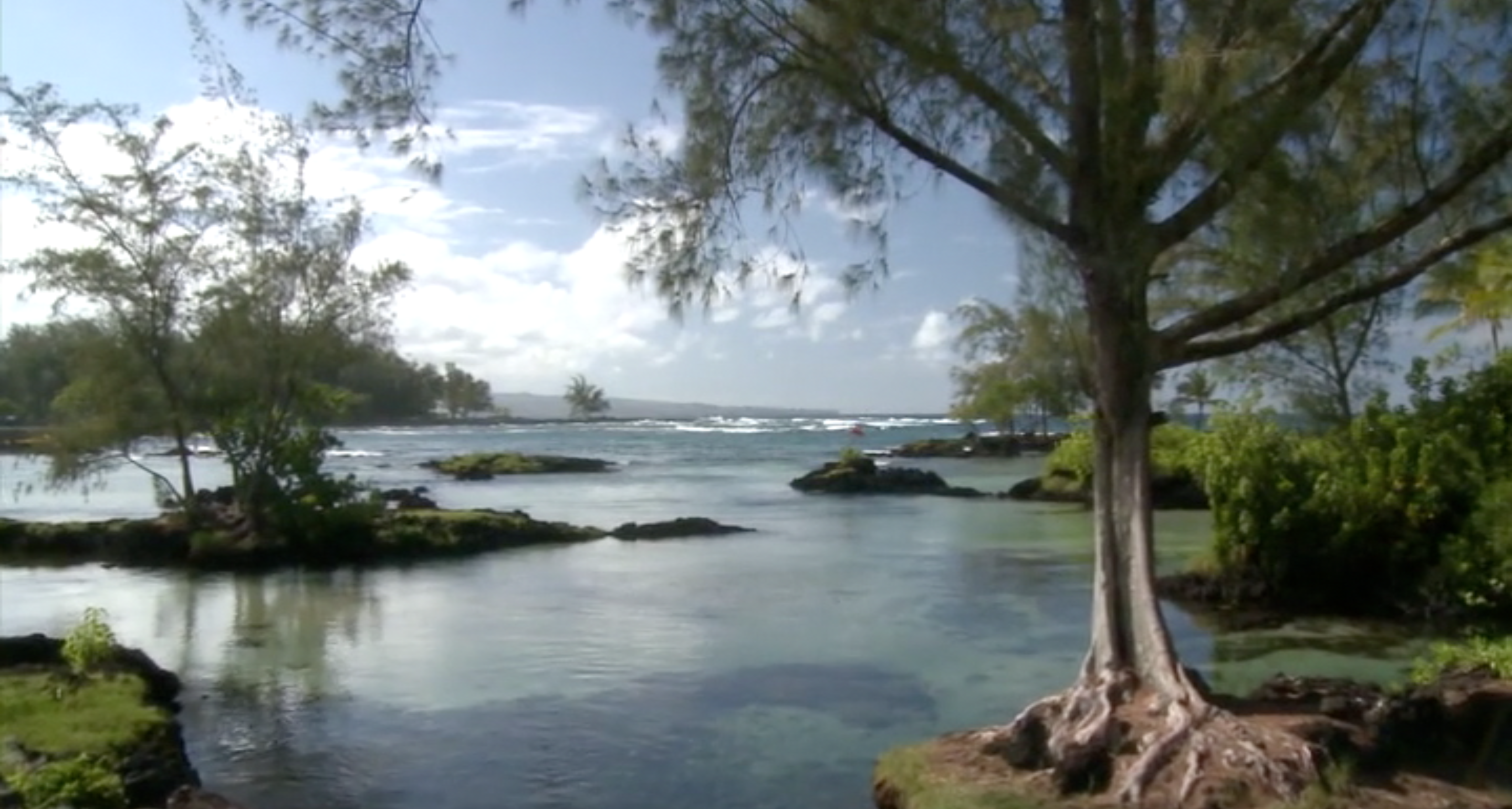
In our early education programs at Partners in Development Foundation (PIDF), we have made a commitment to produce video statements of wahi pana for thirty locations throughout Hawai‘i. The purpose is to remind our children and adults of the amazing core each place has in their lives and in the history of Hawai‘i. It has been encouraging to see the positive impact a sense of place has on the thousands of children and adults that have seen the wahi pana of their communities. It is something all cultures can embrace as they prepare their children and help their adults in being good and successful caregivers.

I have often thought that our policy makers also need to refresh their understanding of the communities they represent. For example, only a few minutes of study can bring to life the character, rich history, and traditions of places like Ka‘ū and Hilo. What a resource for leaders as they make decisions impacting the populations they serve!

Please enjoy highlights from these first two wahi pana videos by PIDF on Ka‘ū and Hilo


And How Are The Children?

© Anna Andersson

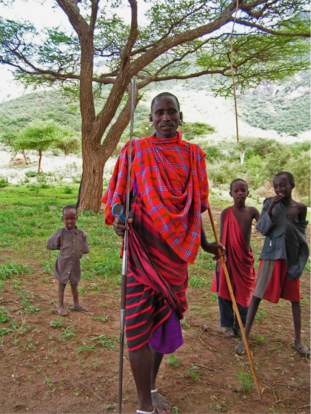
Several years ago, an international expert on child welfare introduced me to how another community esteems and cares for their young. It has remained with me to this day. She pointed out that the warriors of the Maasai tribe in Africa, a nation well known for their military arts and long history of conquest, use a simple traditional greeting. They ask the question “Casserian Engeri” meaning, “And how are the children?” The Maasai understand that if the children are well, the community they live in is well. More importantly, this greeting summarizes the place children have in their communal priorities.

The Maasai understand that if the children are well, the community they live in is well.

From time to time I have turned this lesson about community priorities over in my head and have asked the question, “Why haven’t we made this part of our daily focus in life?” How have we allowed other concerns and urgencies to overshadow our commitment to our young? Today we face the consequences of this disregard in our community. Hawaiian children and children in general in Hawai‘i and elsewhere are beset by discouraging statistics. Hawai‘i is ranked near the bottom third in education nationwide and over half of our children are not attending preschool. Results from the Hawai‘i State School Readiness Assessment show that only 14.5% of kindergarten classes have at least three fourths of the children consistently displaying the skills and characteristics necessary for success in school life.

Early childhood education and school readiness are essential, as research has shown that 85% of brain development occurs by age 5.

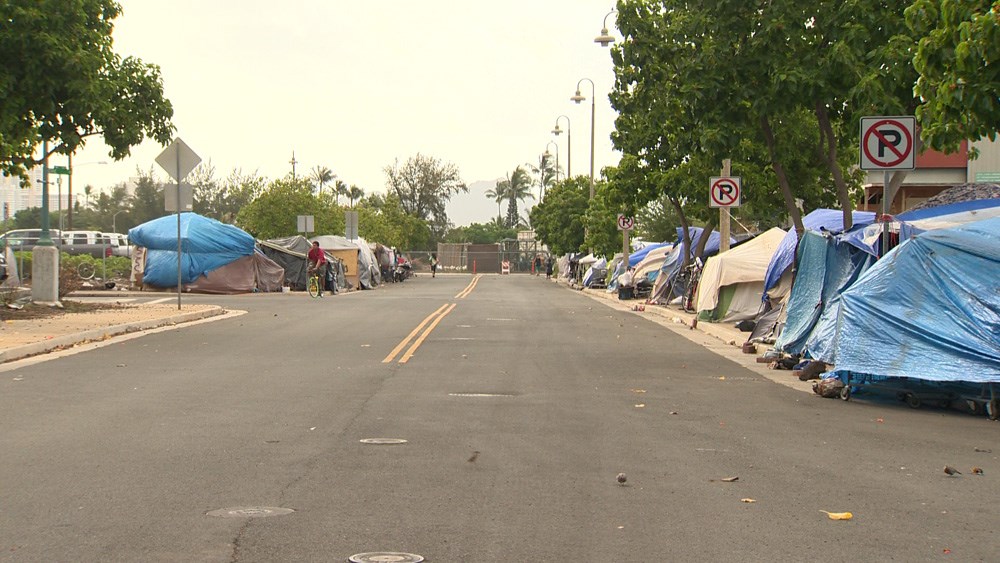
Compounding these dismal statistics, the number of children living in poverty in Hawai‘i has increased in the past five years. These living conditions and lack of resources can have a lasting detrimental effect on children, especially homeless children. Compared to non-homeless children, homeless children are: nine times more likely to repeat a grade, four times as likely to drop out of school, three times more likely to be placed in a special education program, twice as likely to score lower on standardized tests, and have higher rates of chronic/acute illnesses, learning disabilities, and emotional or behavioral problems. Recent articles have called our community’s homeless situation “a crisis that demands action” with the children at the very center. However, no rational policy has emerged from our leaders.

7673405_G

Not a pretty sight. Perhaps we should think about greeting each other with “Aloha! Pehea nā keiki?” as a means of resetting our priorities as a community. The Hawaiian culture, as is true in most cultures, recognizes the critical role the care and preparation of our children have in the survival of their community. How is that played out in our community? How do we tolerate an educational system that takes significant resources and delivers questionable outcomes in the lives of our young? Why do children from dysfunctional families often end up in a harsh public child welfare system? Where is our investment in programs to prepare children and families for success? Why do we not demand outcomes with our investment in children that will sustain healthy and resilient communities? Could it be because our unspoken greetings are “…and how are the teachers?” or “…and how are the administrators?” or “…and how is the union?” or “…and how are our politicians?” and we end up relegating children, particularly poor homeless children, way down the priority list of public and private investment?

FB_How_are_the_children

As we come together, let us ask each other, “Pehea nā keiki?” and have the courage to mean it and act upon it. Pose the question to those who represent us… let’s see their response. Perhaps sometime soon we can respond, “Maika‘i nō nā keiki!” (They are well!)

View printable version: And How Are The Children

Transformational Change: An Introduction


DSC_0506 copy

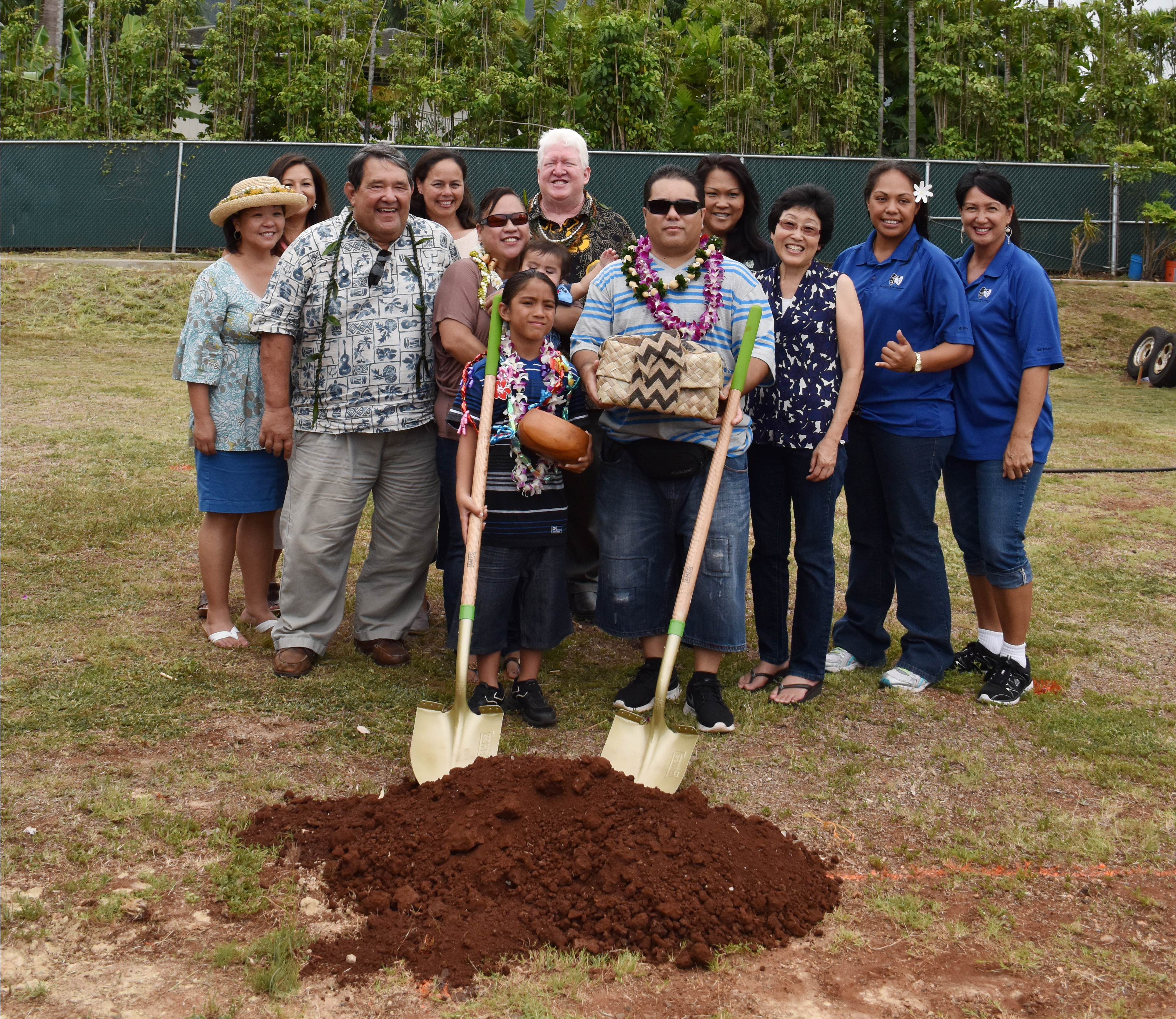
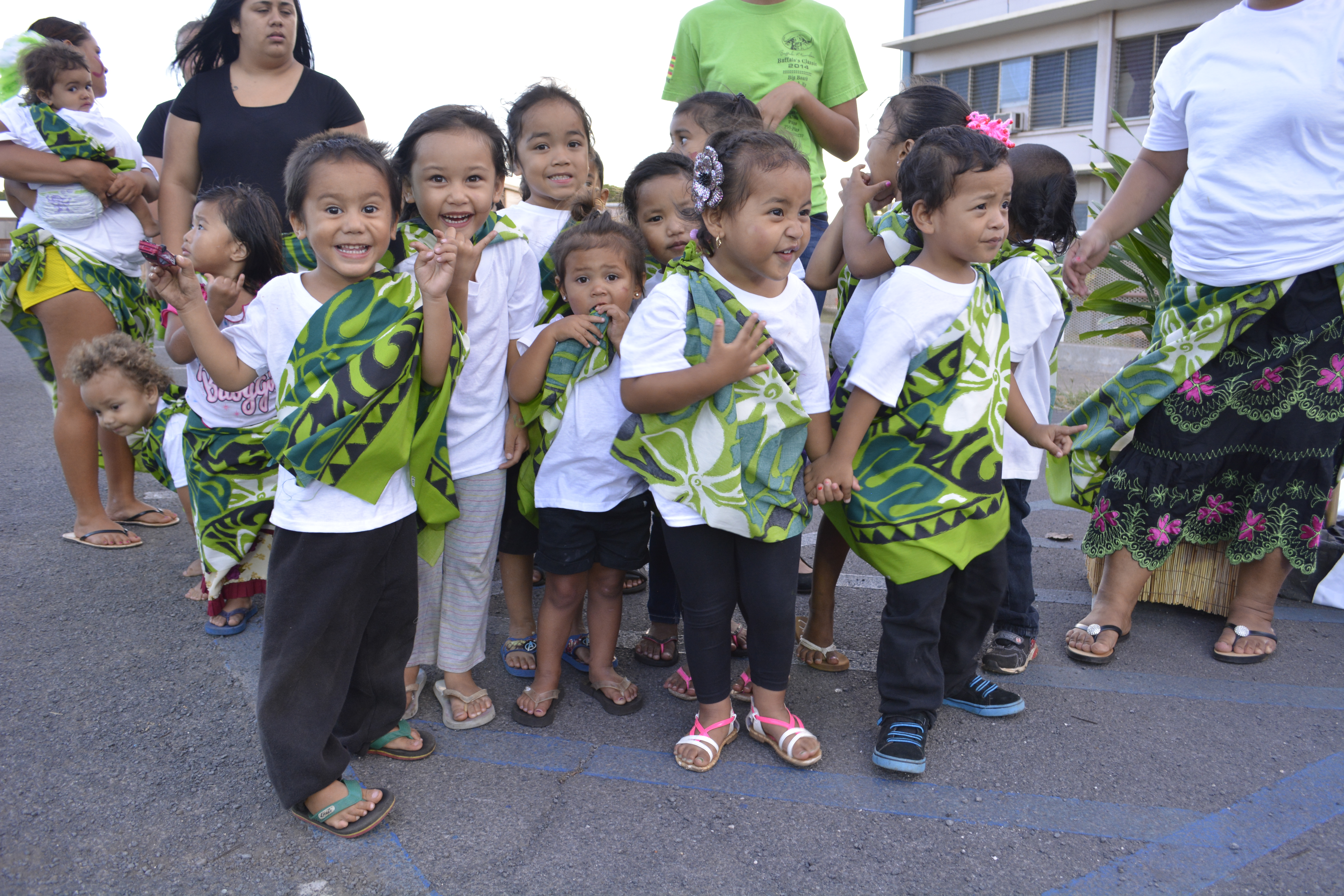
For the past 18 years, I have had the privilege of being a part of the growth of an amazing organization called Partners in Development Foundation (PIDF), a nonprofit organization providing support to Native Hawaiian and other at-risk populations in the areas of early education, social justice, foster care, and sustainability (individuals, communities, natural resources). We envision healthy and resilient communities and strive to achieve this through practical and transformational uses of traditional Hawaiian values, language, and culture.

072415_0036Since its inception, PIDF has grown into an organization of nearly three hundred passionate and amazing colleagues touching the lives of thousands of people and working across a wide range of social and educational challenges in Hawai`i. Our commitment to data and transformation has helped us develop nationally recognized early education programs and family education approaches that have proven to bring substantive positive change.

050815_6547Through the years and through our work, I’ve seen the various struggles of needy children and families across Hawai‘i and the impact that programs can have in helping them succeed. I wanted to provide a place of reflection, to share with people who mirror our passion to help children and families find sustainable success within a healthy and resilient community. I hope to discuss with you some of my reflections on the issues we address and invite you to also join in sharing perspectives on transformational change in our communities.