

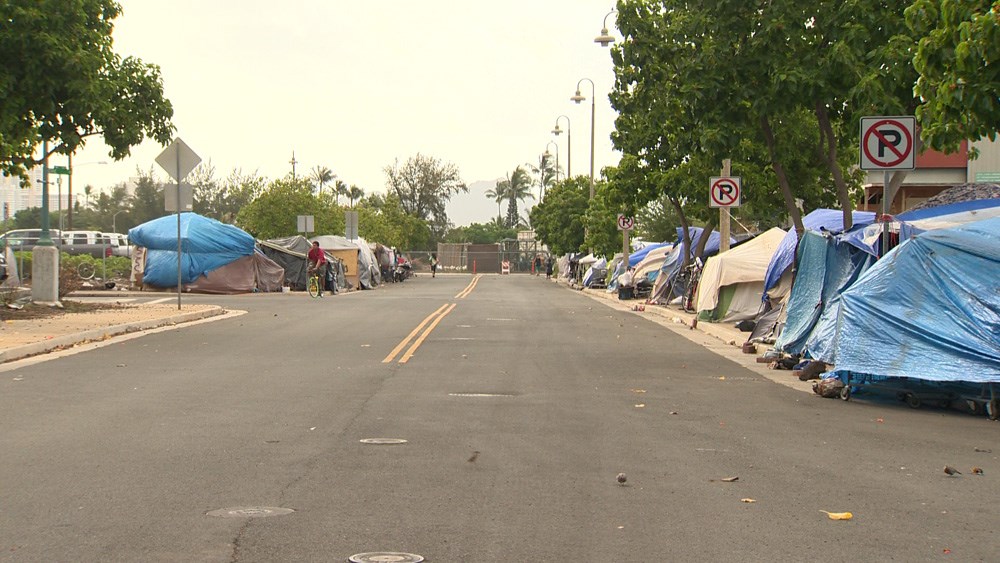
As we survey the challenges in our community in education, the economy, the environment, food sustainability, homelessness, and poverty in general (to cite a few), one can sink quickly into a state of despair. The way out is complicated and directly related to a powerful system that thrives on inertia and jealously guards the status quo.
If we turn to the Hawaiian culture for clues on how to deal with the multifaceted face of the establishment, I am struck by the power of the concept of “kuleana” as it has played in the sustaining and positive evolution of Native Hawaiian culture.
Kuleana is the term for “responsibility” and it was a concept clearly known by the Hawaiians and powerfully active in maintaining the culture’s stability while also allowing for change that would benefit the whole.
The ali‘i or ruling classes received their power from an assumed social compact with the larger governed classes. As long as they fulfilled their duties to protect and defend the community and promote it health and welfare, they were allowed to enjoy the trappings of power and prestige. Time and time again our traditions tell us that when the ali‘i failed to pursue their responsibilities, the consequences for them, were disastrous.

What lessons emerge for us as we face the daunting challenges of today’s Hawai‘i? One clear step that stands out for me is our need to get very intentional about teaching and modeling for our children the concepts and responsibilities of servant leadership, as they will continue to shape the future of our State. In this world where social isolation is growing with electronic use and fascination with technology is challenging interpersonal relationships, it is critical that we work in a focused fashion to: teach our children about the poor and needy in our communities, challenge them to be part of the solution in changing the social conditions that allow poverty and homelessness to prosper, connect them to the host culture and the rich values that have made this place a very special place, and model for them how they can become servant leaders in the social circles they inhabit. It is like periodically pouring small quantities of salt in a stew and tasting the increasing impact it can have on the whole, or lighting a small candle in a very dark room and experiencing the amazing impact of light in the darkness.

For the last three years I’ve seen a small church commit itself to holding “servant/leadership” camps for teens. Short seven to ten day timeframes are committed to sharing with the teens the poor of our city, the blight of homelessness, and the work of groups that are helping the poor find a path to success. They also “prayer walk” through public housing areas and spend time relating to the children and adults they encounter.
The impact of these camps on the lives of these teenagers has been amazing. The glimmer of servant leadership is often ignited by their brief exposure to the realities of poverty in their community and the examples of servant leaders working to help overcome these realities. It is a small step in the lives of relatively few young people, but the hope is that they will take “kuleana” and commit to being servant leaders who are salt and light to their communities. If we can challenge young people to choose to lead lives measured by what they give rather than what they gain, we will take a small but powerful step on the “pono” path towards health and resiliency for our dear Hawai‘i nei.
 As Pope Francis stated in his speech to the United Nations during his recent trip to the United States, “The common home of all men and women must continue to rise on the foundations of a right understanding of universal fraternity and respect for the sacredness of every human life, of every man and every woman, the poor, the elderly, children, the infirm, the unborn, the unemployed, the abandoned, those considered disposable because they are only considered as part of a statistic. This common home of all men and women must also be built on the understanding of a certain sacredness of created nature. Such understanding and respect call for a higher degree of wisdom, one which accepts transcendence, rejects the creation of an all-powerful elite, and recognizes that the full meaning of individual and collective life is found in selfless service to others and in the sage and respectful use of creation for the common good.”
Just think with me what a joy it would be to have true servant leaders to follow and not wannabe leaders looking for servants.


 At Low Tide