The 3 “F’s” of Transformational Change

In a recent blog, I wrote about The Three “P’s” of Transformational Change: passion, pono, and perseverance. All three are integral in pursuing sustainable positive change in our communities and in facing the social challenges of poverty, social dysfunction, and institutional inertia. In response to the three P’s, I’ve had a lot of questions about how one practically implements transformational change within these concepts. Passion, pono, and perseverance are recognized elements, but what are the practical steps we need to take in order to turn these concepts into measurable, “kick the tires,” positive results in our community’s changed reality? Allow me to suggest three “F’s” to help us along the transformational change path.

The three disciplines of FOCUS, FOLLOW THROUGH, and FINISH are applicable to all of our activities. They become particularly important, however, as we approach the challenge of implementing significant and substantive change that shakes the status quo. If we intend to introduce transformational change, we need to make sure we clearly understand what the first step of focus means in the process.

-The secret of change is to Focus all of your energy, not on fighting the old, but on building the new.--socrates

To focus on change, we must be sure we understand and precisely outline our goal. When will we know we have reached our goal? We will only know this if we have fully defined and focused our attention on what we propose to change and what the characteristics of this changed reality are. We often cannot control all of the variables of change, but we need to begin the process by defining our objective as much as possible in the process. We need the crucial element of focus. If our initial focus is clear, we can use it along the journey as a benchmark for any changes that need to be added to the goal.

The second element of success in implementing change is the simple, yet often very difficult, phase of follow through. Once we have done the job of defining and understanding the measures of our focus, we are confronted with the challenge of putting into place the actions necessary to move towards our goal.

We are often lulled into thinking that a clear and compelling definition of our focus is sufficient. We often shy away from the nuts and bolts of putting into place the pieces that make transformational change actually happen.

Inertia and the intrusion of other urgencies conspire to blur this phase of engineered change and we are left wondering what happened when our focus is lost. All of this calls us to a heightened awareness of the implementation phase of change, the follow through. We may find that as our plans are implemented and put to the test of reality that our goals may need to be modified. As mentioned above, a clear initial focus can be used as a benchmark when modifying these goals. In other words, although focus and follow through are often separated in our minds, they are in fact very much tied together in practice.

Finish

There is a lot more that can be said of follow through but the third element of change, the finish, should always be kept in the forefront of our implementation activities. We need to press on towards our focal point and make sure we achieve the goals we have set. So often we are tempted to leave the battlefield of transformational change with the change half done or done in such a manner that our original focus is lost or marred. This is the point at which we may need others to help keep us accountable to the goals we have set. They need to press us into completing what we began in the focus phase and implemented (and perhaps modified) in the follow through phase by finishing the process.

Lots of relatively simple concepts to this process, but at heart it is a complex web of activities and attitudes that can have great power in driving change in our relationships and our communities. I’ve also found this three step mantra to be a powerful challenge for the youth of our community or for all of those who are committed to moving the personal, professional, or public agendas of their lives. Try it. You’ll like it and blossom using it.

How about exploring servant leadership?

As we survey the challenges in our community in education, the economy, the environment, food sustainability, homelessness, and poverty in general (to cite a few), one can sink quickly into a state of despair. The way out is complicated and directly related to a powerful system that thrives on inertia and jealously guards the status quo.

If we turn to the Hawaiian culture for clues on how to deal with the multifaceted face of the establishment, I am struck by the power of the concept of “kuleana” as it has played in the sustaining and positive evolution of Native Hawaiian culture.

Kuleana is the term for “responsibility” and it was a concept clearly known by the Hawaiians and powerfully active in maintaining the culture’s stability while also allowing for change that would benefit the whole.

The ali‘i or ruling classes received their power from an assumed social compact with the larger governed classes. As long as they fulfilled their duties to protect and defend the community and promote it health and welfare, they were allowed to enjoy the trappings of power and prestige. Time and time again our traditions tell us that when the ali‘i failed to pursue their responsibilities, the consequences for them, were disastrous.

DSC_0012

What lessons emerge for us as we face the daunting challenges of today’s Hawai‘i? One clear step that stands out for me is our need to get very intentional about teaching and modeling for our children the concepts and responsibilities of servant leadership, as they will continue to shape the future of our State. In this world where social isolation is growing with electronic use and fascination with technology is challenging interpersonal relationships, it is critical that we work in a focused fashion to: teach our children about the poor and needy in our communities, challenge them to be part of the solution in changing the social conditions that allow poverty and homelessness to prosper, connect them to the host culture and the rich values that have made this place a very special place, and model for them how they can become servant leaders in the social circles they inhabit. It is like periodically pouring small quantities of salt in a stew and tasting the increasing impact it can have on the whole, or lighting a small candle in a very dark room and experiencing the amazing impact of light in the darkness.

Servant Leadership

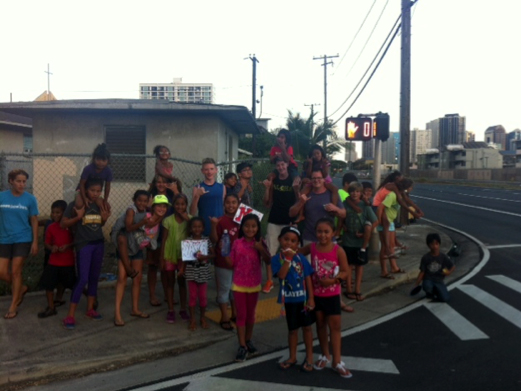
For the last three years I’ve seen a small church commit itself to holding “servant/leadership” camps for teens. Short seven to ten day timeframes are committed to sharing with the teens the poor of our city, the blight of homelessness, and the work of groups that are helping the poor find a path to success. They also “prayer walk” through public housing areas and spend time relating to the children and adults they encounter.

The impact of these camps on the lives of these teenagers has been amazing. The glimmer of servant leadership is often ignited by their brief exposure to the realities of poverty in their community and the examples of servant leaders working to help overcome these realities. It is a small step in the lives of relatively few young people, but the hope is that they will take “kuleana” and commit to being servant leaders who are salt and light to their communities. If we can challenge young people to choose to lead lives measured by what they give rather than what they gain, we will take a small but powerful step on the “pono” path towards health and resiliency for our dear Hawai‘i nei.

PopeAs Pope Francis stated in his speech to the United Nations during his recent trip to the United States, “The common home of all men and women must continue to rise on the foundations of a right understanding of universal fraternity and respect for the sacredness of every human life, of every man and every woman, the poor, the elderly, children, the infirm, the unborn, the unemployed, the abandoned, those considered disposable because they are only considered as part of a statistic. This common home of all men and women must also be built on the understanding of a certain sacredness of created nature. Such understanding and respect call for a higher degree of wisdom, one which accepts transcendence, rejects the creation of an all-powerful elite, and recognizes that the full meaning of individual and collective life is found in selfless service to others and in the sage and respectful use of creation for the common good.”

Just think with me what a joy it would be to have true servant leaders to follow and not wannabe leaders looking for servants.

Harnessing Homelessness

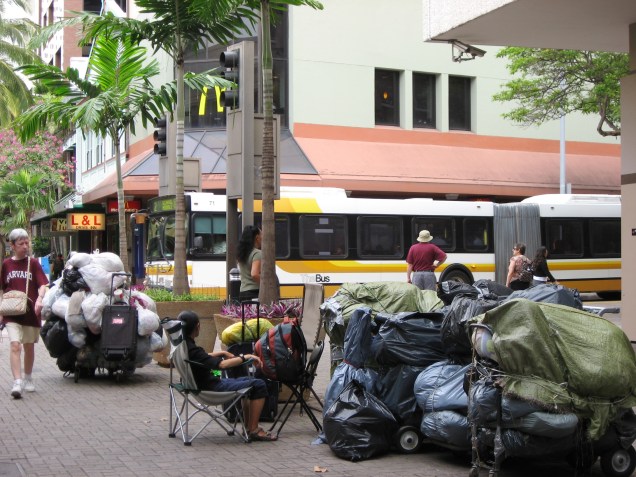
Homeless downtown

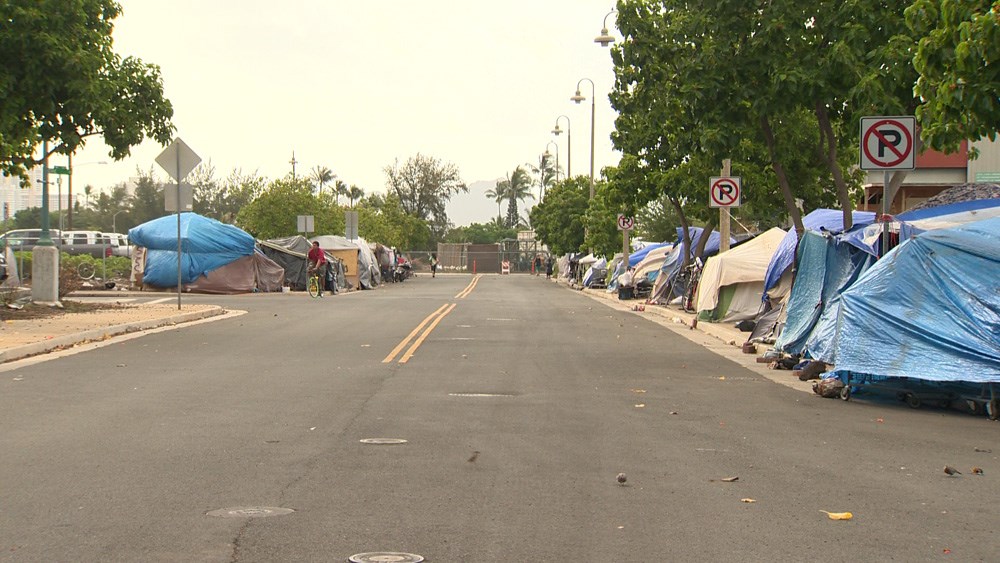
We are all confronted by the escalating rate of homelessness in our community. The number of people living on sidewalks has grown to the point that they become homeless communities in our midst. Our canals are lined with tents and shelters of the dispossessed. Federal officials declare they have never seen such a state repeatedly use the word “crisis” to describe it. How has our dear Hawai‘i descended to this point where homelessness, once never seen in our culture, becomes the new normal? How do we take steps to bring healing to this open sore in Paradise? How do we deal with our frustrations and angers?

There are obviously no simple one step answers. What has been going through my mind is to view homelessness as an amazing opportunity for our community to reaffirm our core culture and character.

We need to embrace the homeless, particularly the homeless families and children, as a gift to practice our aloha and mālama in ways that strengthen our communal commitment to what is pono!

I have seen glimpses of this approach through the efforts of many churches to feed and shelter the needy. I have been encouraged by the positive responses of our community in the recruitment, training, and placement of those seeking jobs and a path of sustainability. I am challenged by organizations that stand ready to help build houses for families and rehab units in low income housing facilities if given the chance. Without being Pollyanna about it, I believe the “crisis” of homelessness can bring a community awakening to the heart of aloha that is in our DNA.

Unfortunately, at least 31 cities nationwide have passed laws that restrict or prohibit food-sharing in public places, meaning those who continue to feed the homeless without following various restrictions such as obtaining permits (often for a fee), could be fined or go to jail. Fortunately for us, Hawai‘i has not yet passed such a law. Those who passed these laws believe the myth that feeding the homeless enables them to remain homeless (as opposed to the real reasons, such as lack of affordable housing, lack of job opportunity, mental health or physical disability).

amy table picWe need our policy makers to help fuel a rethinking of homelessness, but it should not wait for them to do it for all of us. We can organize early education programs for homeless young children, we can provide places where homeless adults can get training and preparation for employment, we can coordinate health services beyond its present state, and we can give hope to the hopeless and meaning and focus to our frustrations with the present situation. The thought that homelessness is an opportunity is something that needs to be planted and cultivated in our minds and actions. It would be a return to our core community values.

Are we ready to risk it?

And How Are The Children?

© Anna Andersson

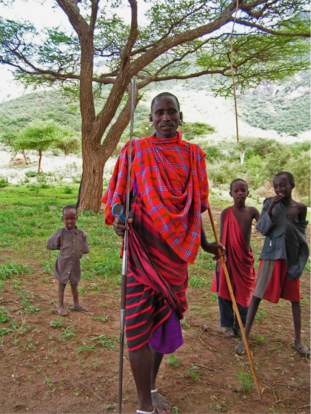
Several years ago, an international expert on child welfare introduced me to how another community esteems and cares for their young. It has remained with me to this day. She pointed out that the warriors of the Maasai tribe in Africa, a nation well known for their military arts and long history of conquest, use a simple traditional greeting. They ask the question “Casserian Engeri” meaning, “And how are the children?” The Maasai understand that if the children are well, the community they live in is well. More importantly, this greeting summarizes the place children have in their communal priorities.

The Maasai understand that if the children are well, the community they live in is well.

From time to time I have turned this lesson about community priorities over in my head and have asked the question, “Why haven’t we made this part of our daily focus in life?” How have we allowed other concerns and urgencies to overshadow our commitment to our young? Today we face the consequences of this disregard in our community. Hawaiian children and children in general in Hawai‘i and elsewhere are beset by discouraging statistics. Hawai‘i is ranked near the bottom third in education nationwide and over half of our children are not attending preschool. Results from the Hawai‘i State School Readiness Assessment show that only 14.5% of kindergarten classes have at least three fourths of the children consistently displaying the skills and characteristics necessary for success in school life.

Early childhood education and school readiness are essential, as research has shown that 85% of brain development occurs by age 5.

Compounding these dismal statistics, the number of children living in poverty in Hawai‘i has increased in the past five years. These living conditions and lack of resources can have a lasting detrimental effect on children, especially homeless children. Compared to non-homeless children, homeless children are: nine times more likely to repeat a grade, four times as likely to drop out of school, three times more likely to be placed in a special education program, twice as likely to score lower on standardized tests, and have higher rates of chronic/acute illnesses, learning disabilities, and emotional or behavioral problems. Recent articles have called our community’s homeless situation “a crisis that demands action” with the children at the very center. However, no rational policy has emerged from our leaders.

7673405_G

Not a pretty sight. Perhaps we should think about greeting each other with “Aloha! Pehea nā keiki?” as a means of resetting our priorities as a community. The Hawaiian culture, as is true in most cultures, recognizes the critical role the care and preparation of our children have in the survival of their community. How is that played out in our community? How do we tolerate an educational system that takes significant resources and delivers questionable outcomes in the lives of our young? Why do children from dysfunctional families often end up in a harsh public child welfare system? Where is our investment in programs to prepare children and families for success? Why do we not demand outcomes with our investment in children that will sustain healthy and resilient communities? Could it be because our unspoken greetings are “…and how are the teachers?” or “…and how are the administrators?” or “…and how is the union?” or “…and how are our politicians?” and we end up relegating children, particularly poor homeless children, way down the priority list of public and private investment?

FB_How_are_the_children

As we come together, let us ask each other, “Pehea nā keiki?” and have the courage to mean it and act upon it. Pose the question to those who represent us… let’s see their response. Perhaps sometime soon we can respond, “Maika‘i nō nā keiki!” (They are well!)

View printable version: And How Are The Children

Leaving Granny on Her Own

FB Image

In today’s rich ethnic and cultural mix of families in Hawai`i, there are various cultural approaches used in caring for our children; however, one commonality among many struggling families is placing the care of their very young in the hands of the older generation. Fourteen thousand children in the state are in the care of their grandparents, which is higher than the national rate. Has our state done anything to lighten the load for our grandparents, aunts and uncles who open their arms and hearts for our children while we hustle to that second job to support the family? Or while the parents struggle with drug/alcohol dependency or are in prison? The answer is NO. As struggling families try to protect and nurture their young, our policy makers have refused to provide resources to train caregivers or give them and their children programs to prepare both demographics for success in caregiving and in school. We’ve left Grandma and Grandpa on their own with their moʻopuna (grandchildren), and have left them to fend for themselves.

We’ve left Grandma and Grandpa on their own with their mo`opuna (grandchildren), and have left them to fend for themselves.

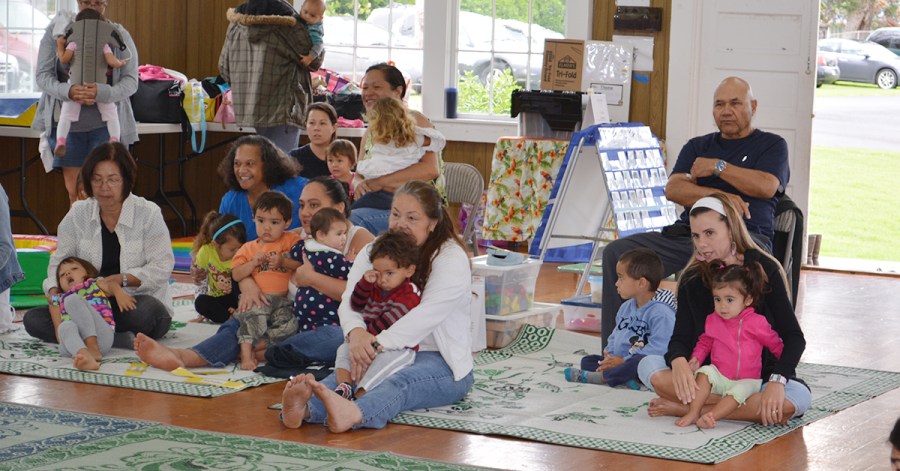
It is interesting to watch “professionals” in early education turn away from Family Child Interactive Learning models (FCILs). Despite clear documented evidence of the power of these programs to bring transformational change in the lives of the caregivers and children involved, they are often branded with the pejorative title of “play groups” and dismissed from serious study or support. In extended families, trained elders can have a significant positive impact in the lives they directly oversee and also in the lives of the extended family as they give advice and counsel to the other adults. It is an opportunity to harness traditional structures to address contemporary challenges with our young children and their caregivers. Don’t leave Granny on her own. Get resources to help her be an amazing first teacher of the children she loves. Bring policy makers to the understanding of how efficient and successful the FCIL model is for early education outside of formal schooling!

I have recently been told that our Governor has decided to move early education into his office, and marginalize the external advisory body (Early Learning Advisory Board) that has been working for years to help formulate both public and private programs for early education in our state. Wrong move. Good political move, however, as the teachers’ union is insistent that early education must be a part of the public, unionized system. Unfortunately, now non-profit programs that empower and equip our older generation in their roles as the children’s first teachers are ignored and early education is swept into a public system that has yet to prove it is worth the tremendous amounts of money our community invests in it. Our Tūtū are again left on their own and politics again trumps the welfare of our children. Shame on us.

Transformational Change: An Introduction


DSC_0506 copy

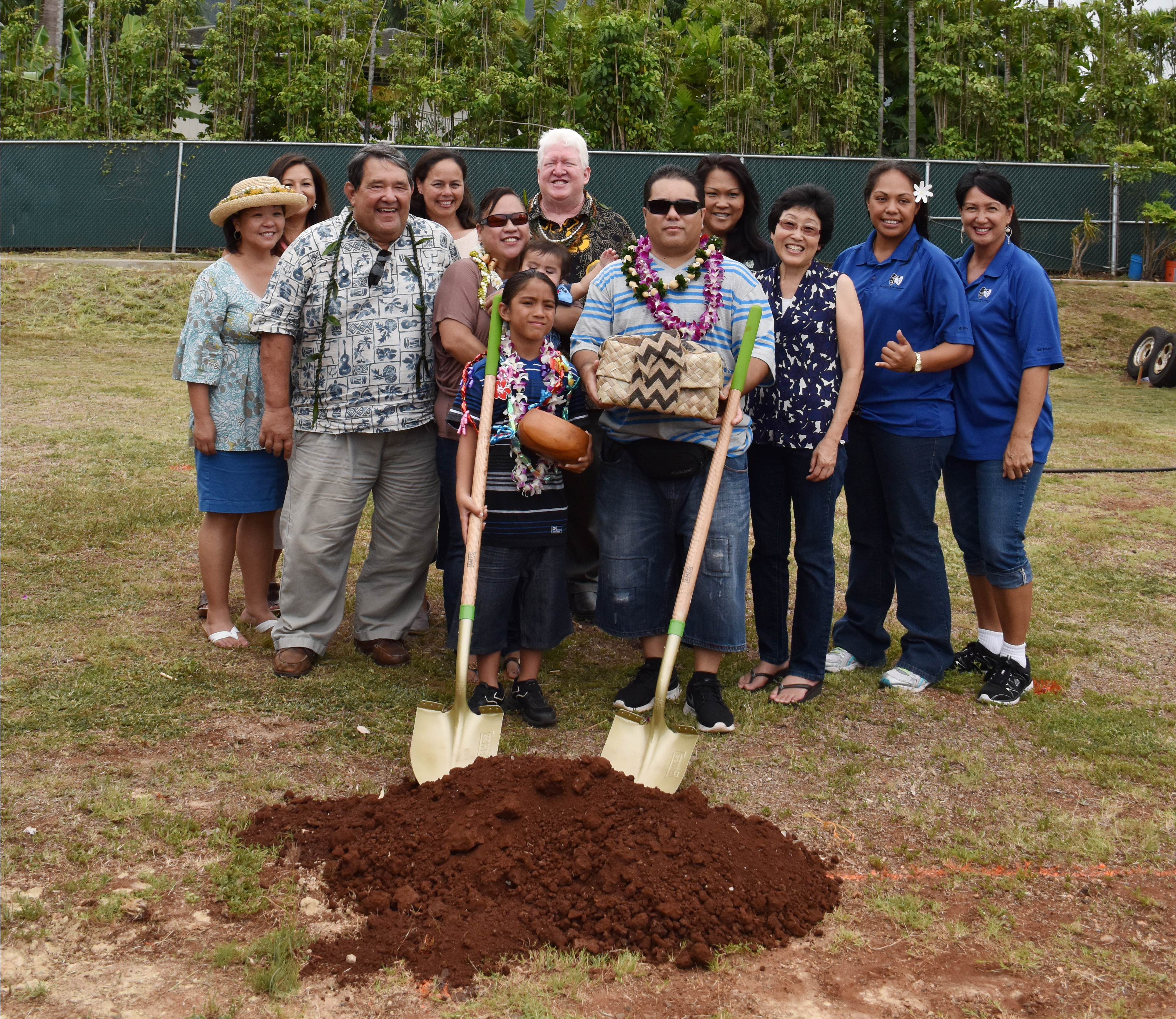
For the past 18 years, I have had the privilege of being a part of the growth of an amazing organization called Partners in Development Foundation (PIDF), a nonprofit organization providing support to Native Hawaiian and other at-risk populations in the areas of early education, social justice, foster care, and sustainability (individuals, communities, natural resources). We envision healthy and resilient communities and strive to achieve this through practical and transformational uses of traditional Hawaiian values, language, and culture.

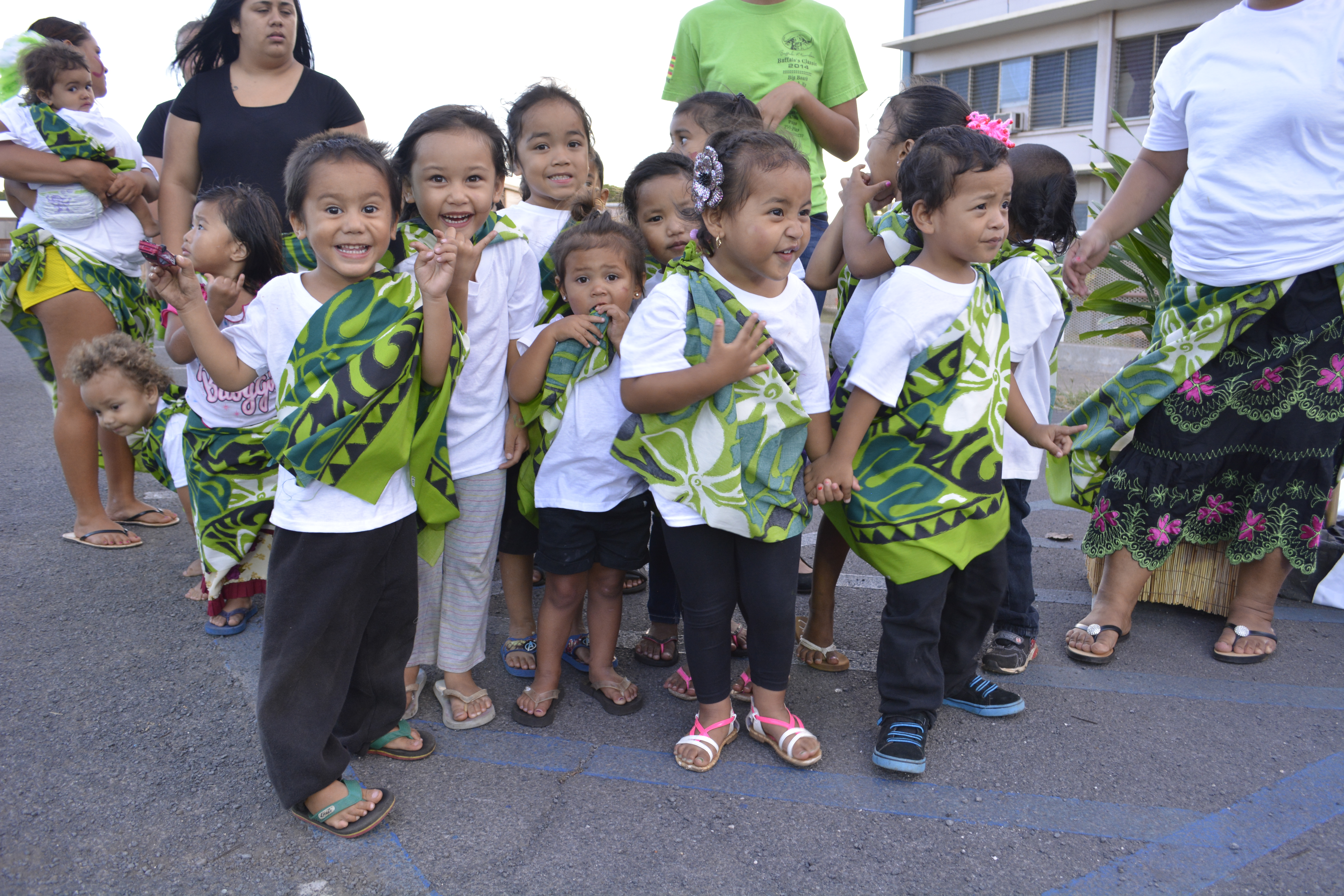
072415_0036Since its inception, PIDF has grown into an organization of nearly three hundred passionate and amazing colleagues touching the lives of thousands of people and working across a wide range of social and educational challenges in Hawai`i. Our commitment to data and transformation has helped us develop nationally recognized early education programs and family education approaches that have proven to bring substantive positive change.

050815_6547Through the years and through our work, I’ve seen the various struggles of needy children and families across Hawai‘i and the impact that programs can have in helping them succeed. I wanted to provide a place of reflection, to share with people who mirror our passion to help children and families find sustainable success within a healthy and resilient community. I hope to discuss with you some of my reflections on the issues we address and invite you to also join in sharing perspectives on transformational change in our communities.